Know your weeds

Weeds are not evil - they are just wild flowers in the wrong place... from the gardener's point of view.

From nature's point of view they are the natural colonisers of bare earth, and are how the soil protects and repairs itself. Bare soil is not a natural state, and if a piece of land is kept bare too long, it can become compacted or eroded, and its fertility will suffer. This is why compost and green manures form a key part of good organic gardening practice.

Even so, to grow decent crops (or any crops at all!) you will need to remove the couch grass, bindweed, and other noxious weeds which smother your crops, harbour slugs, or compete for water, light and nutrients.

Weeds to worry about:

Bindweed

Elongated heart-shaped leaves on twisting, smothering stems with beautiful white or pink bell-flowers. Deep, brittle white roots, and able to regenerate from a small section left in the ground.

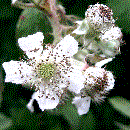
Bramble (blackberry)

Resist the temptation to let this get a grip on your plot - there is no shortage of blackberries on wasteground and in hedgerows, and once it is established you will regret it...
Couch (twitch) grass

Distinctive seedheads and wiry roots with sharp tips - spreads fast. Along with bindweed this is likely to be your biggest problem. Again can regenerate from a tiny fragment of left-over root.
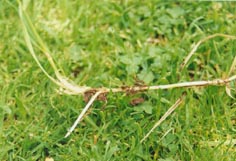
Creeping Yellow Buttercup

Spreads by suckering. Likes damp, compacted soil.
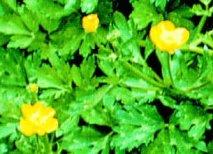
Dandelion

Very deep rooted. Slugs love to lay their eggs round the root of dandelion plants, and will often hide here. On the positive side, young leaves can be added to salads, and you can make wine from the flowers. You can also make coffee substitute from the roots, but you would have to be desparate!
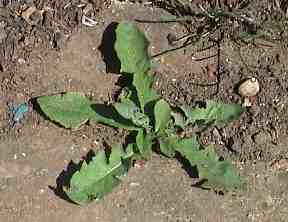
Dock

Good for nettle stings - bad for gardens. Never let this go to seed - the seeds last for years in the soil.
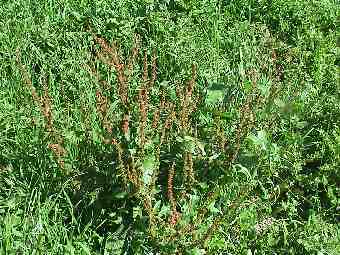
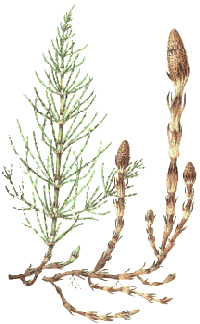
Marestail (Equisetum Spp.)

Incredibly difficult to eradicate, very deep rooted. A survivor! This one is older than the dinosaurs. However, it does serve the function of brining up nutrients from the subsoil, and casts little shade, so personally I do not worry too much about it.
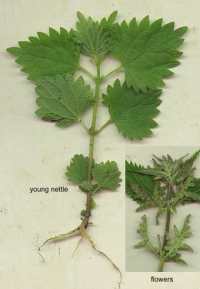
Nettles

Spreads by underground suckers. Tough yellow roots. You can also cook nettles as a spinach green when young. Some organic gardeners recommend keeping a patch of nettles as a nursery for ladybirds (they lay their eggs on nettles and feed on nettle aphids), but be careful that they dont spread.
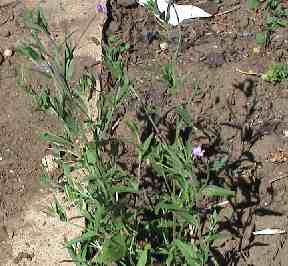
Rosebay Willowherb (fireweed)

This invasive perennial spreads rapidly by fat white underground suckers, and will take over given half a chance. Don't let it go to seed!
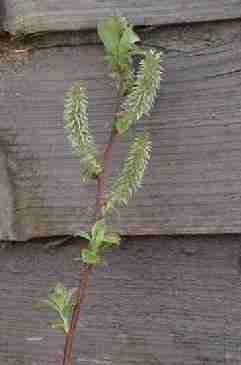
Willow

Downy, windblown seed. These start small and inconspicuous, but can grow into full sized trees if left alone for too long. Nice by a riverbank, not so good in your veg patch!
All of these are perennial weeds - even though the top growth dies down in the winter, their roots carry on, and if you don't get rid of them they will be back in the spring. These plants are trouble, and its best to remove every trace of them from your growing area.

The Others:

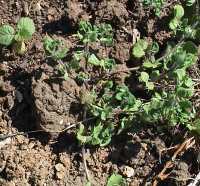
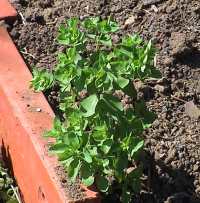
Less troublesome generally are the annual weeds. These are easier to remove, and can simply be pulled out, chopped down or hoed off. If you want to give your crops the best chance of success, you will still have to pull or hoe these several times a season, but they are much less of a problem. Most of them are small and innocuous, and even serve the useful function of covering bare ground for you in winter - a natural green manure.

Chickweed

Common, low-growing ground cover. Innocuous. Tiny spearshaped leaves with inconspicuous white flowers. If this is your main weed, you have got it right as it is a good indicator of healthy, fertile soil.

Fat Hen

Distinctive leaves with a dusting of white powdery grains. You can eat this one like spinach (although best only in small amounts as it contains oxalic acid). Can grow to waist height if left unchecked, and seeds prolifically.

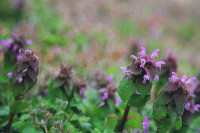
Red Dead-nettle

Common, low-growing ground-cover.

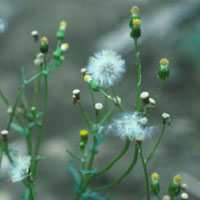
Groundsel

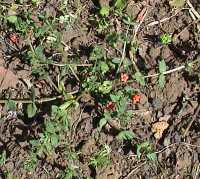
Scarlett pimpernell

Low growing, innocuous.

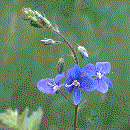
Speedwell

Very common. Low growing, well behaved, many small sky-blue flowers.


Spurge

Tiny.


With thanks to:
theseedsite.co.uk - check here for excellent pictures of seedling weeds
Down Garden Services